
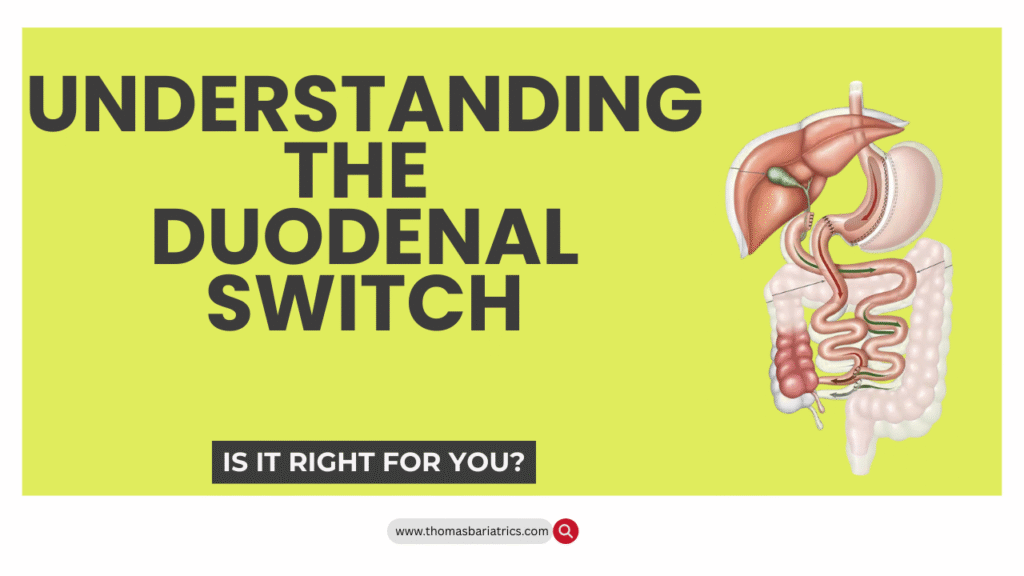
For individuals struggling with severe obesity or a high BMI, traditional methods of weight loss often fall short. While lifestyle changes, diet plans, and medications may help some, others require a more definitive solution. Duodenal switch surgery, formally known as biliopancreatic diversion with duodenal switch (BPD/DS), is one of the most effective weight loss surgery options available, especially for those facing life-threatening complications tied to obesity.
In this guide, we’ll explain everything you need to know about the DS procedure, its benefits and risks, and who it’s best suited for.
What Is Duodenal Switch Surgery?
The duodenal switch, or BPD/DS, is a malabsorptive weight loss surgery designed to help patients lose a significant amount of weight by combining two approaches:
- Restrictive – reducing the size of the stomach to limit food intake.
- Malabsorptive – rerouting a portion of the small intestine to decrease calorie and nutrient absorption.
The procedure is more complex than other bariatric surgeries, such as the gastric sleeve or gastric bypass. Still, it typically offers more significant long-term weight loss, especially for those with severe obesity or a BMI over 50.
How Does Duodenal Switch Surgery Work?
The DS procedure works in two main phases:
- Sleeve Gastrectomy: Roughly 70-80% of the stomach is removed, leaving behind a banana-shaped sleeve. This limits how much food you can eat and reduces the production of ghrelin, the hunger hormone.
- Intestinal Bypass: The small intestine is divided, and food is rerouted to bypass a significant portion of the intestine. This part of the surgery reduces how many calories and nutrients are absorbed, contributing to substantial weight loss.
Unlike gastric bypass, the duodenal switch maintains the pyloric valve, which controls food release from the stomach to the small intestine. This results in fewer issues with dumping syndrome and better nutrient regulation.
What Conditions Does a Duodenal Switch Treat?
Initially developed for high BMI bariatric surgery candidates, the duodenal switch is now used to treat several conditions associated with severe obesity, including:
- Type 2 diabetes
- High cholesterol
- Sleep apnea
- Hypertension
- Non-alcoholic fatty liver disease (NAFLD)
- Joint problems due to excess weight
The long-term results of DS surgery show dramatic improvements or even remission in these obesity-related conditions.
What Happens Before Duodenal Switch Surgery?
Before undergoing a duodenal switch, patients typically go through a thorough pre-surgical evaluation, including:
- Nutritional counseling
- Psychological evaluation
- Medical clearance from your primary care physician
- Pre-op testing (bloodwork, EKG, imaging)
Your bariatric surgeon will also review your weight loss history, eating habits, current medications, and long-term health goals. A special pre-op diet is usually required for 1–2 weeks before surgery to shrink the liver and reduce surgical risk.
How Is a Duodenal Switch Done?
The duodenal switch procedure is performed laparoscopically in most cases, which involves small incisions and a camera-assisted surgical technique. Here’s a simplified step-by-step:
- Removal of a large portion of the stomach to form a sleeve.
- Rerouting the small intestine to bypass about 75% of its length.
- Connecting the end of the bypassed intestine to the lower section of the small bowel (the alimentary limb), where it meets food.
- Food and digestive enzymes mix much later, limiting calorie absorption.
The surgery typically takes 3–4 hours and requires a hospital stay of 2–3 days.
What Happens After Duodenal Switch Surgery?
After surgery, the recovery process is carefully managed:
- Hospital Recovery: Patients usually walk within hours and return home in a few days.
- Diet Progression: Starts with clear liquids, then moves to pureed foods, soft foods, and solid foods over a few weeks.
- Lifestyle Changes: A lifetime of vitamin supplementation, high-protein meals, and regular follow-ups with your bariatric team.
You’ll need to be diligent with nutritional supplements like vitamins A, D, E, K, iron, calcium, and B12 due to the malabsorptive nature of the surgery.
Advantages and Disadvantages of the Duodenal Switch
Advantages
- Significant and lasting weight loss – often greater than with other bariatric procedures.
- High resolution of obesity-related conditions, particularly type 2 diabetes.
- Preservation of the pyloric valve – less risk of dumping syndrome.
- Better long-term maintenance of weight loss.
Disadvantages
- Higher risk of nutritional deficiencies – due to limited absorption.
- Complex surgery requires experienced surgeons.
- Frequent bowel movements and gas, especially if the diet is not followed.
- Lifelong supplement regimen and medical monitoring.
Understanding these pros and cons is critical when deciding if the DS surgery fits your health needs.
How Effective Is the Duodenal Switch?
Regarding long-term results, the duodenal switch consistently outperforms other bariatric surgeries in weight loss and resolution of comorbid conditions.
- Weight Loss: Most patients lose 70%–80% of their excess body weight.
- Diabetes Remission: Up to 95% of type 2 diabetes cases go into remission.
- Sustained Results: Studies show weight maintenance even 10+ years after surgery.
For patients with a high BMI or those who have failed with other surgical options, duodenal switch surgery often provides the best opportunity for sustainable health improvements.
What Is the Recovery Time From Duodenal Switch Surgery?
The initial recovery phase typically lasts 2–4 weeks, during which you’ll gradually return to normal daily activities. Full recovery, including diet transition and energy levels, may take 2–3 months.
Your surgeon will schedule regular follow-ups to monitor your progress, blood work, and nutritional intake.
What Can’t You Eat After a Duodenal Switch?
Because the DS is a malabsorptive weight loss surgery, your diet must change significantly:
Foods to Avoid:
- High-fat and fried foods can cause diarrhoea
- Sugary drinks and refined carbs
- Carbonated beverages (can expand your stomach)
- Tough meats and fibrous vegetables (early on)
- Alcohol
Foods to Prioritise:
- Lean proteins
- Low-carb vegetables
- Hydrating fluids (non-carbonated, non-caffeinated)
- Vitamin-fortified options
You’ll also need to eat small, frequent meals and avoid skipping supplements to prevent duodenal switch complications like malnutrition or anaemia.
Duodenal Switch Expected Weight Loss Timeline:
How Much Weight Will I Lose After 3 Months?
Here’s a general duodenal switch weight loss timeline:
- 1 Month: 10%–15% of excess body weight lost.
- 3 Months: 25%–35% of excess weight gone.
- 6 Months: 50% or more lost.
- 12–18 Months: Up to 80% of excess weight reduction.
Of course, individual results may vary based on your starting weight, adherence to the program, physical activity, and metabolic rate. But the duodenal switch before and after transformation is often dramatic and life-changing.
Is Duodenal Switch Surgery Right For Me?
The duodenal switch is not for everyone, but for the right candidate, it can be a transformative solution.
It may be a good fit if:
- Your BMI is 50 or higher (super obese).
You’ve failed to lose weight through other surgeries like sleeve gastrectomy or gastric bypass. - You’re willing to commit to a lifetime of follow-up, supplements, and dietary changes.
- You’re dealing with severe comorbidities like diabetes or sleep apnea.
A thorough consultation with a bariatric surgeon is necessary to determine if the DS surgery for severe obesity aligns with your goals and health status.
Lose Weight and Keep It Off
The duodenal switch surgery offers a powerful path to permanent weight loss, better health, and a renewed life. Yes, it’s a significant commitment and more complex than other weight loss surgery options. But for individuals facing life-limiting obesity, the trade-off is worth it.
When performed by experienced professionals and followed by lifestyle discipline, the duodenal switch delivers unmatched results in bariatric surgery. If you’re ready to take that step, talk to a specialist and start your journey toward a healthier, longer life.


 Qubopro.com