
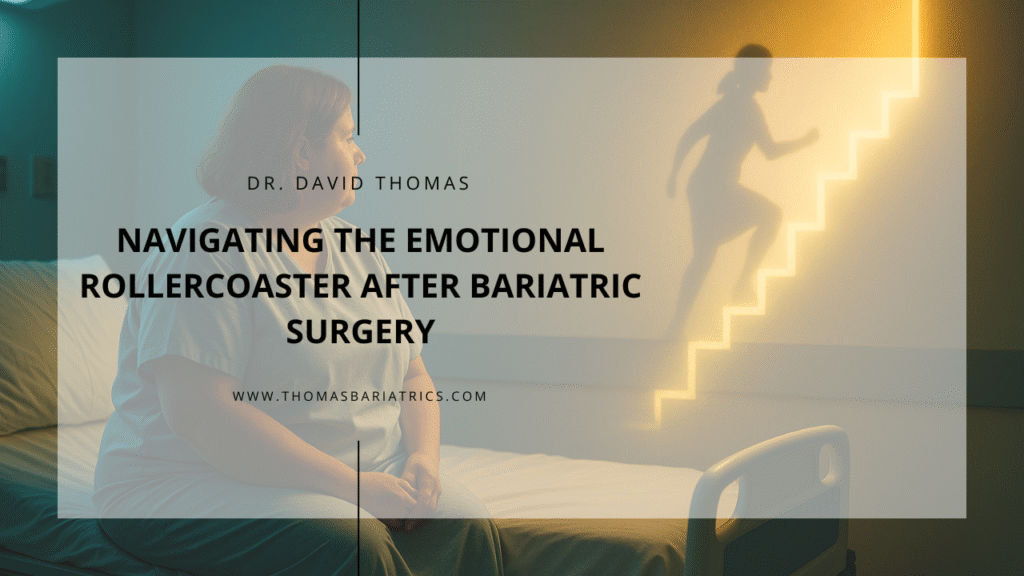
Bariatric surgery is often thought of as a physical transformation, but what many people don’t realize is how deeply it can affect the mind and emotions. Patients in San Antonio, TX, who choose weight loss surgery frequently share that, along with the physical changes, they also experience emotional highs and lows. These emotional changes after bariatric surgery are normal, but they deserve just as much care and attention as the physical recovery.
At Thomas Bariatrics, we believe that healing means supporting the body and the mind. Let’s explore the common emotional experiences, the psychological effects of bariatric surgery, and practical ways to support your mental health through this journey.
Table of Contents
- Before Surgery: Mixed Emotions
- Right After Surgery: Why Feelings Shift
- Common Emotional Experiences
- Healthy Ways to Cope
- When to Ask for Help
- Long-Term Support at Thomas Bariatrics
- FAQs
Before Surgery: Mixed Emotions
Excitement about better health often sits beside fear and uncertainty. You might wonder if surgery will “work,” how life will change, or how others will react. These questions are normal and a healthy part of informed decision-making. Pre-op visits at Thomas Bariatrics include education, nutrition planning, and emotional preparation so you know what to expect. Hormone shifts and rapid weight loss can intensify emotional changes after bariatric surgery in the first months.
Helpful reads: learn about procedures such as Gastric Sleeve in San Antonio and Gastric Bypass in San Antonio.
Right After Surgery: Why Feelings Shift
Early recovery can feel intense. Several factors contribute to mood changes:
- Hormonal shifts: Changes in ghrelin and other hormones can affect appetite and mood.
- Rapid weight loss: Body image evolves quickly—sometimes faster than self-identity catches up.
- Lifestyle changes: Food is no longer a default coping tool; routines and social habits change.
- Healing fatigue: Pain, low energy, and sleep changes can influence emotions.
(For additional background, see patient education from the American Society for Metabolic and Bariatric Surgery and NIDDK.)
Common Emotional Experiences
- Joy & pride as clothing sizes drop and mobility improves.
- Mood swings after gastric sleeve/bypass—irritability, tearfulness, or feeling “flat.”
- Grief over losing food as comfort or social connection.
- Anxiety about plateaus, loose skin, or long-term results.
- Post-bariatric depression in a subset of patients—treatable and worth addressing early.
Healthy Ways to Cope
1) Mindfulness that fits real life
- 3–5 minutes of slow breathing or a short guided meditation once or twice daily.
- Name the feeling (“anxious,” “tired,” “lonely”) to reduce its intensity.
Mindfulness, movement, and therapy are proven ways to manage emotional changes after bariatric surgery
2) Build new coping tools
Swap food-based soothing for:
- A 10-minute walk or gentle stretching
- Journaling or voice notes
- Music, art, or a quick call with a supportive friend
3) Nutrition, sleep, and movement
- Follow your post-op nutrition plan and hydration goals.
- Prioritize sleep; fatigue magnifies stress.
- Start with approved movement; small, consistent steps help mood regulation.
4) Therapy & support groups
A therapist familiar with the psychological effects of bariatric surgery can help you process identity shifts, relationships, and body image. Our Support Groups & Counseling provide a safe, judgment-free space.
5) Set realistic expectations
Weight loss is not linear. Expect plateaus and keep measuring success in many ways: energy, labs, mobility, mood, and habits—not just the scale.
When to Ask for Help
Reach out to your care team if you notice:
- Persistent sadness, hopelessness, or loss of interest >2 weeks
- Thoughts of self-harm
- Severe anxiety or panic
- Trouble following nutrition recommendations due to mood
- If emotional changes after bariatric surgery disrupt sleep or appetite, reach out early.
Early support is powerful—and part of good medical care.
The Role of Continuous Support
Healing doesn’t end once the surgery is complete. Mental health after weight loss surgery needs ongoing attention. Regular check-ins with the care team, consistent communication with loved ones, and access to mental health support after bariatric surgery can help patients stay grounded during emotional ups and downs.
It helps to remember that emotional changes after bariatric surgery are common and treatable.
At Thomas Bariatrics in San Antonio, TX, we emphasize long-term care. From the first consultation to years after surgery, patients are never alone in their recovery.
Our San Antonio team routinely screens for emotional changes after bariatric surgery and provides follow-up support.
We’re Here to Help
If you’re experiencing emotional changes after bariatric surgery or struggling with coping with emotions after bariatric surgery, know that support is available. Thomas Bariatrics offers compassionate, patient-centered care that addresses both physical and emotional health.
Whether you’re preparing for surgery or adjusting to life after, our San Antonio team is here to guide you every step of the way.
📞 Ready to talk? Contact Thomas Bariatrics today and take care of your body and mind.
Learn more about patient education from the American Society for Metabolic & Bariatric Surgery and post-op guidance from the NIDDK. These resources can help you understand and manage emotional changes after bariatric surgery.
FAQs
1) Is it normal to feel emotional after surgery?
Yes. Hormones, rapid change, and lifestyle shifts make emotions fluctuate. Most patients stabilize with support.
2) How long do mood swings last after gastric sleeve/bypass?
It varies. Many people notice improvement over weeks to months as routines and nutrition settle.
3) Can I prevent post-bariatric depression?
You can lower risk: attend follow-ups, join support groups, prioritize sleep/nutrition, and seek counseling early.
4) What if friends or family don’t “get it”?
Bring a loved one to appointments, share education materials, or invite them to a support meeting so they can learn how to help.
5) Who should I contact if I’m struggling right now?
Call your Thomas Bariatrics team, your therapist, or local emergency services for urgent concerns.
Medical disclaimer: This article is educational and not a substitute for personalized medical advice.


 Qubopro.com