
If you have ever felt sharp pain in the upper right side of your abdomen after a heavy meal, your diet may be playing a bigger role than you think. For many people with gallstones or gallbladder inflammation, certain foods can trigger symptoms because the gallbladder contracts more forcefully when digesting fat-rich meals. Medical sources note that fatty or rich meals are common triggers, and gallbladder pain often worsens after eating.
Understanding foods that trigger gallbladder pain can help you reduce flare-ups, make smarter diet choices, and recognize when symptoms are serious enough to see a surgeon.
Why food can trigger gallbladder pain
The gallbladder stores bile, which helps your body digest fats. When you eat, especially a high-fat meal, the gallbladder squeezes to release bile into the small intestine. If gallstones are present or the gallbladder is inflamed, this squeezing can cause pain, pressure, nausea, or even a full-blown gallbladder attack. Cleveland Clinic explains that fatty foods require more bile to digest, which can increase pressure and trigger pain for people with gallbladder problems.
That is why a careful gallbladder diet can be an important part of symptom management.
Common foods that trigger gallbladder pain
Not everyone reacts to the same foods, but these are among the most common gallbladder attack food triggers:
1. Fried foods
French fries, fried chicken, pakoras, chips, and other deep-fried items are some of the biggest gallbladder pain foods to avoid. These foods are high in fat and can force the gallbladder to work harder.
2. Fast food
Burgers, pizza, loaded sandwiches, and processed takeout meals often combine saturated fat, refined carbs, and heavy portions. This mix can make gallbladder symptoms after eating much worse.
3. Fatty cuts of meat
Bacon, sausage, ribs, salami, lamb fat, and heavily marbled beef are often listed among the top foods to avoid with gallstones because they can trigger bile release and discomfort.
4. Full-fat dairy
Whole milk, cream, butter, cheese, ice cream, and rich desserts may aggravate symptoms in people with gallbladder disease. These foods are especially problematic when eaten in large portions.
5. Creamy and buttery foods
Alfredo sauce, creamy curries, buttery gravies, pastries, and rich casseroles can all worsen foods that trigger gallbladder pain because of their high fat content.
6. Processed snacks and baked goods
Cookies, donuts, cakes, crackers, and packaged snacks often contain unhealthy fats and refined ingredients. Even though they may not seem as heavy as fried food, they can still be major gallbladder attack food triggers.
7. Highly processed meats
Hot dogs, pepperoni, deli meats, and other processed meats are often high in fat and sodium. These are common gallbladder pain foods to avoid when symptoms flare.
8. Large heavy meals
Sometimes the issue is not just the food itself, but the amount. Large meals can trigger stronger gallbladder contractions. Eating smaller, lighter meals may help reduce gallbladder symptoms after eating.
Foods that may be easier on the gallbladder
A symptom-friendly gallbladder diet usually focuses on foods that are lower in fat and easier to digest. Depending on your doctor’s advice, these may include:
- Skinless chicken or turkey
- Fish prepared without heavy oil.
- Oatmeal and whole grains
- Fresh fruits
- Cooked vegetables
- Beans and lentils in moderate amounts
- Low-fat yogurt or low-fat milk
- Soups with light broth
- Small, balanced meals throughout the day
Mayo Clinic also recommends eating more high-fiber foods and avoiding fasting or skipping meals, since irregular eating patterns can increase gallstone risk.
Symptoms to watch for after eating
People with gallstones or inflammation often notice symptoms shortly after meals, especially rich or greasy ones. Common gallbladder symptoms after eating include:
- Pain in the upper right abdomen
- Pain in the upper middle abdomen
- Pain spreading to the back or right shoulder.
- Nausea or vomiting
- Bloating or fullness
- Pain that lasts from minutes to a few hours
Gallbladder pain is often described as sudden, sharp, and constant rather than crampy. It may not improve with movement, gas, or bowel movements.
When diet changes are not enough
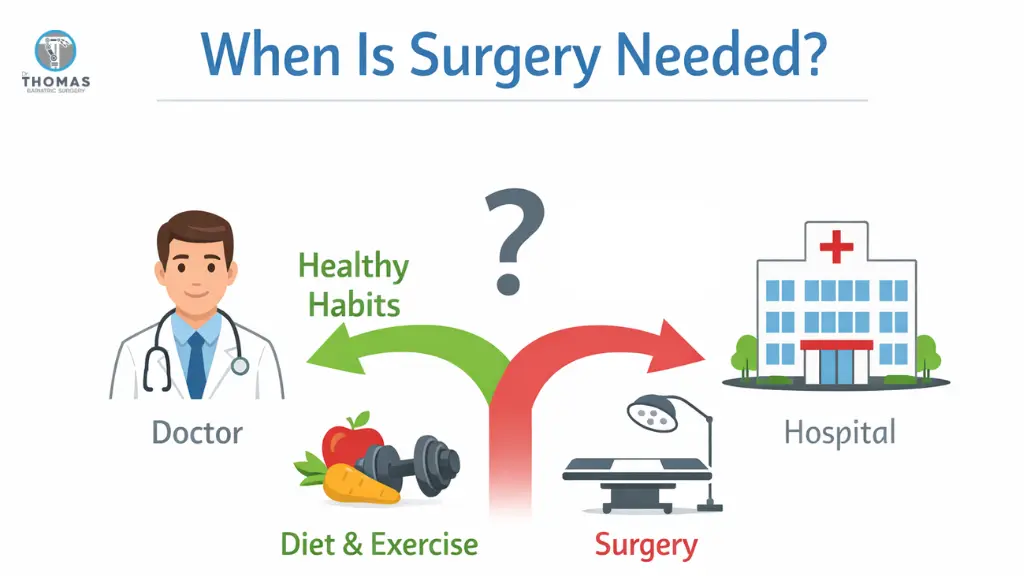
Diet changes can help reduce symptoms, but they do not remove gallstones or fix chronic gallbladder disease. If you keep having attacks, your provider may recommend surgery to remove the gallbladder, called a cholecystectomy. Cleveland Clinic notes that people with recurring symptomatic gallstones typically need treatment, and that treatment is often surgery.
This matters because untreated gallstones can sometimes block ducts and lead to complications such as infection, inflammation, or pancreatitis. Mayo Clinic notes that a gallstone can block the pancreatic duct and lead to pancreatitis, which usually requires hospitalization.
When to see a surgeon
You should consider seeing a surgeon if you have:
- Repeated episodes of pain after eating
- Known gallstones with ongoing symptoms
- Pain severe enough to interrupt sleep or daily life
- Frequent nausea or vomiting with meals
- Symptoms that return even after improving your diet
A surgical consultation is often the next step when symptoms keep coming back, because recurrent attacks usually mean the gallbladder is no longer functioning well.
When to seek urgent medical care
Do not wait for a routine appointment if you have any of these warning signs:
- Pain lasting more than 2 to 3 hours
- Fever or chills
- Yellowing of the skin or eyes
- Dark urine or pale stools
- Severe vomiting
- Intense, constant abdominal pain
These symptoms can suggest acute inflammation, bile duct blockage, or another serious complication. Cleveland Clinic advises medical attention when gallbladder pain lasts more than a few hours, especially if it comes with fever, jaundice, nausea, or vomiting.
Final thoughts
Knowing the main foods that trigger gallbladder pain can help you avoid unnecessary flare-ups and protect your digestive health. In general, the biggest gallbladder pain foods to avoid are fried foods, fatty meats, full-fat dairy, creamy dishes, processed snacks, and oversized meals. A lower-fat gallbladder diet with smaller portions may reduce discomfort, but persistent symptoms should not be ignored.
If you continue to have attacks, if you are searching for foods to avoid with gallstones, or if your gallbladder symptoms after eating are becoming more frequent, it may be time to speak with a surgeon. Early treatment can help prevent more painful and potentially serious complications.
Ready to take the next step toward lasting change?
Schedule a consultation with Thomas Bariatrics today and start your personalized path to better health.
Medical Disclaimer:
This content is for informational purposes only and does not constitute medical advice, diagnosis, or treatment. Always consult a qualified healthcare provider regarding any medical condition or treatment decisions. Individual results may vary.


 Qubopro.com