
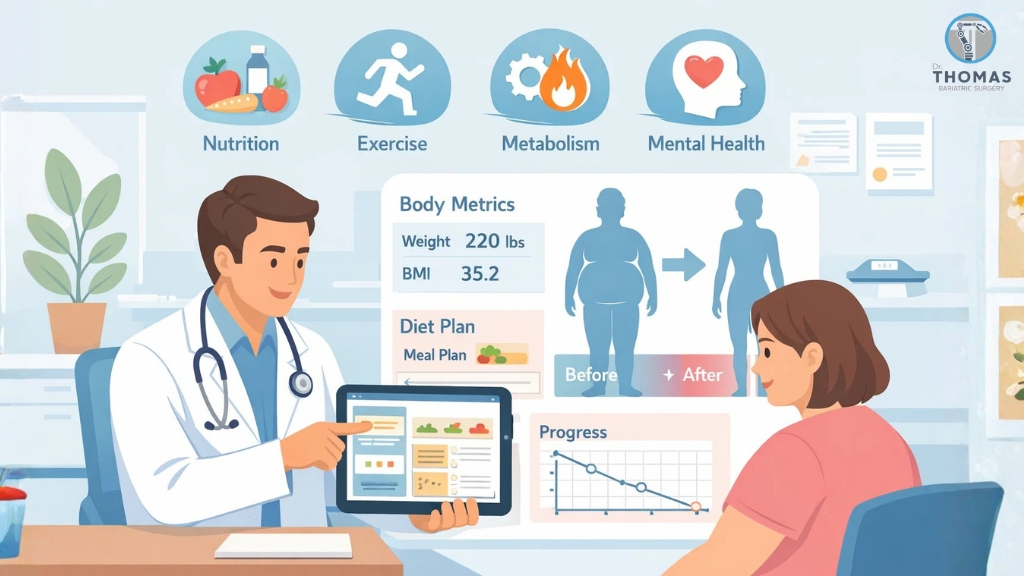
Obesity is a complex, chronic condition influenced by genetics, metabolism, lifestyle habits, and underlying medical issues. That’s why a generic diet or exercise routine often fails. An obesity medicine specialist focuses on designing a personalized weight loss plan that aligns with an individual’s unique biology and long-term health goals.
This article explains how experts create an effective, science-backed strategy using a structured and individualized approach.
Why Personalization Matters in Weight Loss
A personalized weight loss plan is not just about reducing calories—it is a comprehensive strategy tailored to your body and lifestyle. Research shows that individualized approaches lead to better long-term success compared to one-size-fits-all programs.
Every individual differs in:
- Metabolism and hormone levels
- Medical conditions (diabetes, PCOS, thyroid issues)
- Lifestyle habits and daily routine
- Psychological and behavioral patterns
Because of these factors, an obesity medicine weight loss plan focuses on customization rather than standard dieting.
Step 1: Comprehensive Medical Evaluation
The first step in building a medical weight loss plan is a detailed health assessment.
What specialists evaluate:
- Body Mass Index (BMI) and body composition
- Blood tests (cholesterol, glucose, thyroid, vitamins)
- Existing conditions (hypertension, diabetes, sleep apnea)
- Medication history
- Family history of obesity
This medical screening helps create a safe and effective individualized weight loss treatment tailored to the patient’s needs.
Step 2: Understanding Lifestyle and Behavior
An obesity specialist doesn’t just look at your body—they analyze your daily life.
Key lifestyle factors:
- Eating habits and food preferences
- Work schedule and stress levels
- Sleep patterns
- Physical activity level
- Emotional or binge eating triggers
Understanding these factors ensures the custom weight loss program is realistic and sustainable. According to experts, plans that align with lifestyle are easier to follow long-term.
Step 3: Setting Realistic and Measurable Goals
Goal-setting is a critical part of an obesity specialist’s treatment plan.
Examples of realistic goals:
- Lose 5–10% of body weight in 3–6 months
- Improve blood sugar or cholesterol levels.
- Increase daily activity or stamina.
Specialists avoid extreme targets and focus on gradual, sustainable progress, which improves adherence and long-term success.
Step 4: Designing a Personalized Nutrition Plan
Nutrition is the foundation of any personalized weight loss plan.
Key elements include:
- Calorie requirements based on metabolism
- Macronutrient balance (proteins, fats, carbohydrates)
- Meal timing and portion control
- Cultural and personal food preferences
A tailored diet considers medical conditions and metabolic needs, making it far more effective than generic diets.
Step 5: Creating a Customized Exercise Strategy
Exercise plans are adapted to the individual—not forced.
A custom weight loss program may include:
- Low-impact workouts (walking, yoga) for beginners
- Strength training for muscle building
- Cardio for fat loss
- Short, high-intensity workouts for busy individuals
The goal is consistency, not intensity. Enjoyable activities increase adherence and results.
Step 6: Behavioral and Psychological Support
Weight loss is not just physical—it’s mental.
An individualized weight loss treatment often includes:
- Cognitive behavioral therapy (CBT)
- Stress management techniques
- Mindful eating practices
- Habit-building strategies
Addressing emotional triggers significantly improves long-term outcomes.
Step 7: Medical Interventions (If Needed)
In some cases, an obesity medicine weight loss plan may include medical treatments:
Options may include:
- Prescription weight loss medications
- Hormonal therapy (if an imbalance exists)
- Bariatric procedures (for severe obesity)
These are always personalized based on health conditions and risk factors.
Step 8: Continuous Monitoring and Adjustments
A personalized weight loss plan is dynamic—it evolves.
Ongoing support includes:
- Regular follow-ups
- Progress tracking (weight, measurements, labs)
- Adjustments to diet and exercise
- Accountability and motivation
Experts emphasize that continuous monitoring improves success rates and prevents plateaus.
Key Components of a Successful Plan
An effective obesity specialist treatment plan combines:
- Medical evaluation
- Customized nutrition
- Personalized fitness
- Behavioral support
- Ongoing monitoring
This integrated approach ensures sustainable weight loss rather than short-term results.
Benefits of a Personalized Approach
Choosing a personalized weight loss plan offers several advantages:
- Higher success rates
- Better management of chronic diseases
- Improved metabolism and energy levels
- Sustainable lifestyle changes
- Reduced risk of weight regain
Unlike fad diets, a medical weight loss plan focuses on long-term health and consistency.
Conclusion
An obesity medicine specialist builds a personalized weight loss plan by combining medical science, lifestyle analysis, and behavioral support into one cohesive strategy. From initial assessment to continuous monitoring, every step is tailored to the individual.
This holistic and evidence-based approach ensures that weight loss is not only effective but also sustainable – helping individuals achieve lasting health improvements and a better quality of life.
Ready to take the next step toward lasting change?
Schedule a consultation with Thomas Bariatrics today and start your personalized path to better health.
Medical Disclaimer:
This content is for informational purposes only and does not constitute medical advice, diagnosis, or treatment. Always consult a qualified healthcare provider regarding any medical condition or treatment decisions. Individual results may vary.


 Qubopro.com