
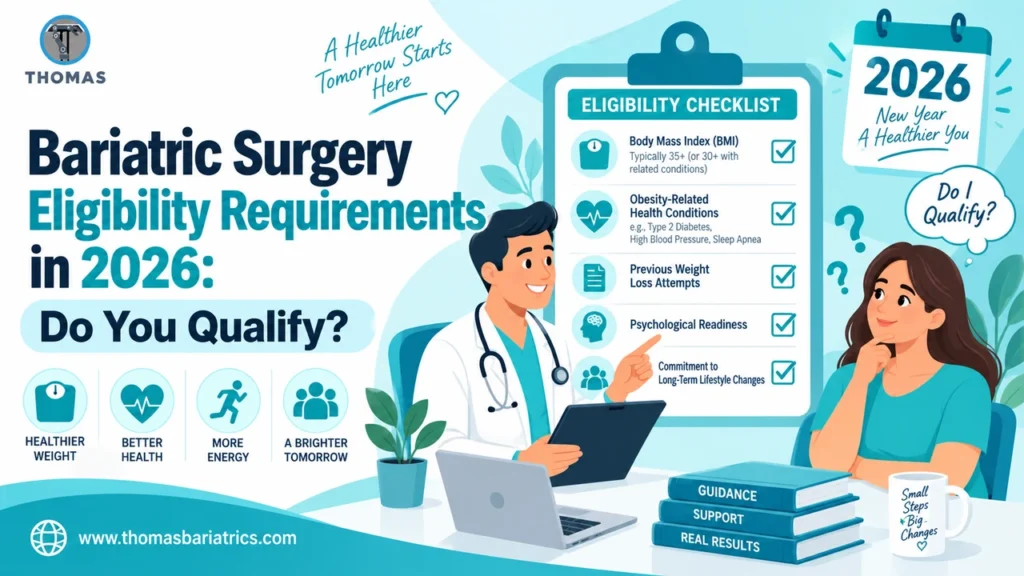
If you’ve struggled with obesity and traditional weight loss methods haven’t provided lasting results, you may be wondering whether bariatric surgery is an option. One of the most common questions patients ask is, “Do I qualify for bariatric surgery?”
The answer depends on more than just your weight. Today’s eligibility guidelines consider your Body Mass Index (BMI), overall health, obesity related medical conditions, previous weight loss efforts, and your readiness to commit to lifelong lifestyle changes.
This guide explains the current bariatric surgery eligibility requirements and what you can expect during the evaluation process.
Why Eligibility Matters
Bariatric surgery is a medical treatment for obesity, not a cosmetic procedure. The goal is to improve overall health, reduce obesity related diseases, and help patients achieve sustainable weight loss.
Because surgery involves permanent changes to the digestive system, healthcare providers carefully evaluate each patient to ensure the potential benefits outweigh the risks.
A comprehensive evaluation also helps determine which bariatric procedure is most appropriate for your individual needs.
Current BMI Guidelines
The 2022 ASMBS/IFSO guidelines, which continue to guide clinical practice in 2026, recommend broader access to metabolic and bariatric surgery than the older 1991 NIH criteria. In general:
- BMI of 35 or higher: Bariatric surgery is recommended regardless of whether obesity related medical conditions are present.
- BMI of 30 to 34.9 with metabolic disease (such as Type 2 diabetes): Bariatric surgery is recommended for appropriate patients.
- BMI of 30 to 34.9 without metabolic disease: Surgery may be considered if nonsurgical treatments have not produced substantial or durable weight loss or health improvement. Insurance coverage may still vary despite these clinical guidelines.
Keep in mind that some insurance plans may still follow older coverage criteria, so qualifying medically and qualifying for insurance coverage are not always the same thing.
What Is BMI?
Body Mass Index (BMI) is a screening tool that estimates body fat based on your height and weight.
Although BMI is useful for determining eligibility, it is not the only factor your surgeon considers. Muscle mass, body composition, ethnicity, and overall health also influence clinical decision making.
Your bariatric team will calculate your BMI during your consultation and explain what it means for your situation.
Obesity Related Health Conditions
Certain medical conditions strengthen the case for bariatric surgery because excess weight significantly increases health risks.
Common obesity related conditions include:
- Type 2 diabetes
- High blood pressure
- Obstructive sleep apnea
- High cholesterol
- Nonalcoholic fatty liver disease
- Osteoarthritis and chronic joint pain
- Heart disease
- Polycystic ovary syndrome (PCOS) in appropriate patients
Many patients experience meaningful improvement in these conditions after successful bariatric surgery, although individual results vary.
Previous Weight Loss Attempts
Bariatric surgery is generally recommended after patients have attempted nonsurgical weight loss methods.
Your healthcare team may ask about:
- Diet programs
- Exercise routines
- Prescription weight loss medications
- Behavioral counseling
- Medically supervised weight management programs
Sharing your previous experiences helps your surgeon understand what has and has not worked for you.
Psychological Readiness
Successful bariatric surgery involves much more than the operation itself.
Many programs include a behavioral health or psychological evaluation to ensure patients understand the long term lifestyle changes required after surgery.
The evaluation may assess:
- Expectations about surgery
- Eating behaviors
- Emotional readiness
- Ability to follow postoperative recommendations
- Available family or social support
This assessment is not designed to prevent patients from receiving care. Instead, it helps identify areas where additional education or support may improve long term success.
Lifestyle Commitment
One of the most important eligibility requirements is a willingness to commit to lifelong healthy habits.
After surgery, patients are expected to:
- Eat smaller meals
- Prioritize protein intake
- Drink enough water
- Exercise regularly
- Take vitamin and mineral supplements
- Attend follow up appointments
These habits help maximize weight loss while reducing the risk of complications and nutritional deficiencies.
Medical Evaluation Before Surgery
Before surgery is scheduled, your bariatric team will complete a comprehensive medical evaluation.
Depending on your health history, this may include:
- Physical examination
- Blood tests
- Electrocardiogram (EKG)
- Nutritional assessment
- Sleep evaluation if sleep apnea is suspected
- Additional specialist consultations when needed
The purpose is to ensure surgery can be performed as safely as possible.
Who May Not Be a Candidate Right Away?
Some patients may need to address certain health concerns before surgery.
Examples include:
- Active smoking or nicotine use
- Untreated substance use disorders
- Certain uncontrolled medical conditions
- Inability to safely undergo anesthesia
- Difficulty committing to required postoperative care
These situations do not always permanently prevent surgery. In many cases, patients can become eligible after appropriate treatment or lifestyle changes.
Does Age Matter?
There is no single age limit for bariatric surgery.
Eligibility depends more on overall health than chronological age.
Appropriately selected adolescents and older adults may also be candidates after careful evaluation by a multidisciplinary bariatric team.
Insurance Eligibility
Even if you meet current medical guidelines, your insurance provider may have additional requirements.
Some insurers may request:
- Documentation of obesity related medical conditions
- Prior authorization
- Medical records
- Nutritional counseling
- Supervised weight management documentation
Your bariatric coordinator can help you understand your insurance requirements and navigate the approval process.
Frequently Asked Questions
What BMI do I need to qualify for bariatric surgery?
Current clinical guidelines generally recommend bariatric surgery for adults with a BMI of 35 or higher, regardless of obesity related conditions. Surgery is also recommended or considered for some patients with a BMI of 30 to 34.9, depending on metabolic disease and previous weight loss efforts.
Can I qualify if I have Type 2 diabetes?
Yes. Patients with Type 2 diabetes and a BMI of 30 or higher may qualify for metabolic and bariatric surgery under current clinical guidelines.
Does insurance always follow the newest guidelines?
Not always. Some insurance providers continue to use older coverage criteria, so it’s important to verify your benefits with your insurer before scheduling surgery.
Can only a surgeon determine if I qualify?
Yes. While BMI provides an initial screening tool, a comprehensive evaluation by a qualified bariatric surgeon is necessary to determine whether surgery is appropriate for your individual health needs.
Find Out If Bariatric Surgery Is Right for You
Meeting the eligibility requirements is the first step toward improving your health through bariatric surgery. Your BMI, medical history, lifestyle, and long term goals all play an important role in determining whether you’re a good candidate.
The best way to know if you qualify is to schedule a consultation with an experienced bariatric surgeon. A personalized evaluation can help you understand your options and create a treatment plan tailored to your health and weight loss goals.
Ready to take the next step toward lasting change?
Schedule a consultation with Thomas Bariatrics today and start your personalized path to better health.
Medical Disclaimer:
This content is for informational purposes only and does not constitute medical advice, diagnosis, or treatment. Always consult a qualified healthcare provider regarding any medical condition or treatment decisions. Individual results may vary.
About the Author

Dr. David Thomas
Bariatric Surgeon
Dr. Thomas, a skilled bariatric surgeon at Methodist Hospital Landmark Bariatrics and Weight Loss Center, treats obesity, GERD, hernias, and more with patient-focused care. Rated 4.9/5, he’s board-certified, a Fellow of ACS and ASMBS, and serves as Medical Director of the bariatric program. His multilingual staff ensures inclusive care, accepts most insurance plans, and welcomes new patients seeking expert surgical solutions for lasting health and wellness.

 Qubopro.com