
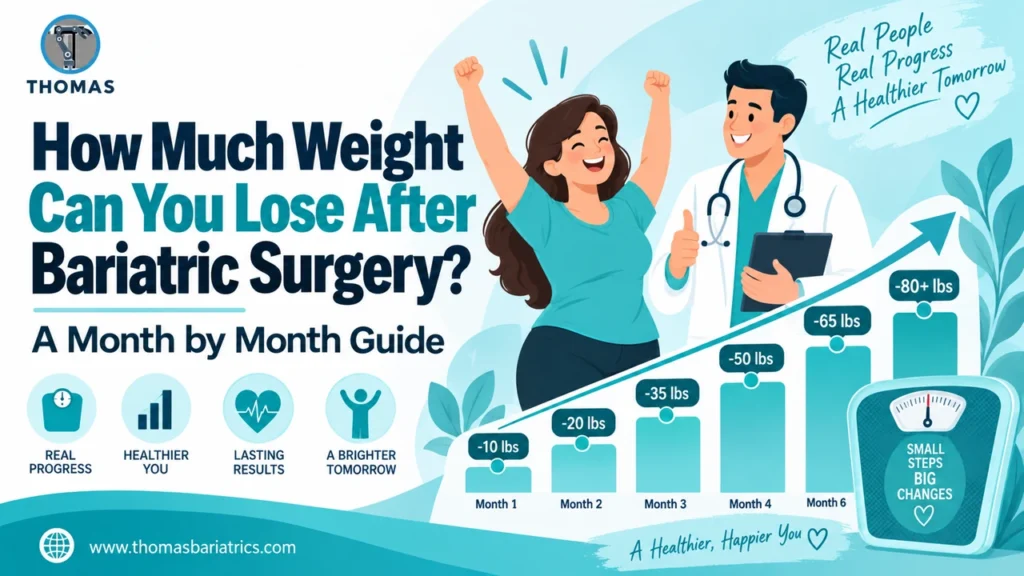
One of the most common questions patients ask before bariatric surgery is, “How much weight will I lose?” While everyone’s journey is different, understanding the typical weight loss timeline can help set realistic expectations and keep you motivated throughout the process.
Bariatric surgery is a powerful tool for treating obesity, but long term success depends on healthy eating, regular physical activity, and consistent follow up care. Whether you undergo gastric sleeve surgery or gastric bypass surgery, weight loss happens gradually over several months rather than overnight.
In this guide, we’ll walk through what many patients can expect after surgery and the factors that influence individual results.
How Bariatric Surgery Promotes Weight Loss
Bariatric surgery helps patients lose weight by reducing the amount of food the stomach can hold. Some procedures, such as gastric bypass, also change the digestive process and affect hormones that regulate hunger and blood sugar.
These changes can help patients:
- Feel full with smaller meals
- Eat fewer calories
- Experience reduced hunger
- Improve metabolism and blood sugar regulation
- Develop healthier eating habits
Surgery provides the tool, but your daily choices play a major role in long term success.
Month by Month Weight Loss Timeline
Every patient’s progress is unique. The following timeline reflects general expectations and should not be viewed as guaranteed results.
Month 1
The first month usually brings the most noticeable change on the scale.
During this period, patients follow a staged diet that progresses from liquids to pureed and soft foods. Because calorie intake is significantly reduced, weight loss is often rapid.
Your primary goals include:
- Staying hydrated
- Meeting protein goals
- Walking daily
- Following your surgeon’s dietary guidelines
Fatigue is common during the early weeks as your body adjusts to major dietary changes.
Month 2
Most patients continue to lose weight steadily during the second month.
By now, many individuals are introducing more solid foods while learning new eating habits, including:
- Eating slowly
- Taking small bites
- Chewing food thoroughly
- Avoiding high sugar foods
- Prioritizing lean protein
Energy levels often improve, making it easier to increase physical activity.
Month 3
By the third month, many patients notice significant improvements beyond weight loss.
These may include:
- Better mobility
- Less joint pain
- Improved blood sugar control
- Lower blood pressure
- Better sleep quality
- Increased confidence
Regular follow up appointments help ensure nutritional needs are being met as your body continues to adapt.
Months 4 Through 6
Weight loss usually continues at a steady pace during this stage, although it may not be as rapid as the first few months.
This is an ideal time to establish long term habits such as:
- Strength training
- Regular walking or cardiovascular exercise
- Meal planning
- Consistent hydration
- Tracking protein intake
Some patients experience a temporary weight loss plateau during this period. Plateaus are common and do not necessarily mean surgery has stopped working.
Months 7 Through 12
By the end of the first year, many patients have achieved a substantial portion of their expected weight loss.
During this stage, the focus shifts from rapid weight loss to maintaining healthy habits that support long term success.
Patients who consistently attend follow up appointments, stay physically active, and follow nutritional recommendations are more likely to achieve lasting results.
What Is Excess Weight Loss?
Bariatric surgery outcomes are often discussed in terms of excess weight loss (EWL) rather than total body weight.
Excess weight refers to the amount of weight above what is considered a healthy weight for your height.
Many patients achieve significant excess weight loss during the first 12 to 18 months after surgery. The exact percentage varies depending on factors such as:
- Procedure performed
- Starting weight
- Age
- Medical conditions
- Physical activity
- Nutrition
- Adherence to follow up care
Your surgeon can provide a more personalized estimate based on your health profile.
Factors That Affect Weight Loss
No two patients lose weight at exactly the same pace.
Several factors influence your progress, including:
Type of Surgery
Both gastric sleeve and gastric bypass produce significant weight loss, although average outcomes may differ between procedures.
Starting Weight
Patients with higher starting weights often lose more pounds overall, although the percentage of excess weight loss may be similar.
Nutrition
Following your dietary plan is one of the biggest predictors of success.
Focus on:
- Lean protein
- Vegetables
- Healthy fats
- Limited processed foods
- Adequate hydration
Physical Activity
Regular exercise helps preserve muscle mass, improves metabolism, and supports long term weight maintenance.
Follow Up Care
Routine visits allow your healthcare team to monitor nutrition, vitamin levels, weight loss progress, and overall health.
Why Weight Loss May Slow Down
Many patients become concerned when their weight loss slows after several months.
This is a normal part of the process.
As your body adapts to its new weight, the rate of weight loss naturally decreases. Temporary plateaus can occur even when you’re following your treatment plan.
Rather than focusing only on the scale, consider other signs of progress such as:
- Smaller clothing sizes
- Improved fitness
- Better mobility
- Lower medication requirements
- Improved laboratory results
If weight loss stops for an extended period, your bariatric team can help identify contributing factors and recommend adjustments.
Tips for Long Term Success
Bariatric surgery is most effective when combined with lifelong healthy habits.
To maximize your results:
- Eat protein first at every meal.
- Drink enough water throughout the day.
- Avoid sugary beverages.
- Exercise consistently.
- Take recommended vitamins.
- Keep scheduled follow up appointments.
- Get adequate sleep.
- Manage stress in healthy ways.
Small, consistent habits often produce the greatest long term success.
Frequently Asked Questions
How quickly will I lose weight after bariatric surgery?
Most patients experience their fastest weight loss during the first three to six months after surgery. The rate gradually slows as the body adjusts.
Will everyone lose the same amount of weight?
No. Results vary based on the procedure performed, starting weight, medical history, nutrition, exercise, and adherence to your postoperative plan.
Can weight regain happen?
Some weight regain is possible over time. Maintaining healthy eating habits, regular physical activity, and ongoing follow up care can help reduce this risk.
When does weight loss usually stabilize?
For many patients, weight loss begins to stabilize between 12 and 18 months after surgery, although individual experiences vary.
Focus on Progress, Not Perfection
Bariatric surgery is a journey, not a race. While many patients experience significant weight loss during the first year, lasting success depends on the healthy habits you build along the way.
Every milestone, whether it’s improved mobility, better blood sugar control, or increased confidence, represents meaningful progress toward a healthier life. By working closely with your bariatric care team and staying committed to your personalized plan, you can maximize the benefits of surgery and enjoy long term success.
Ready to take the next step toward lasting change?
Schedule a consultation with Thomas Bariatrics today and start your personalized path to better health.
Medical Disclaimer:
This content is for informational purposes only and does not constitute medical advice, diagnosis, or treatment. Always consult a qualified healthcare provider regarding any medical condition or treatment decisions. Individual results may vary.
About the Author

Dr. David Thomas
Bariatric Surgeon
Dr. Thomas, a skilled bariatric surgeon at Methodist Hospital Landmark Bariatrics and Weight Loss Center, treats obesity, GERD, hernias, and more with patient-focused care. Rated 4.9/5, he’s board-certified, a Fellow of ACS and ASMBS, and serves as Medical Director of the bariatric program. His multilingual staff ensures inclusive care, accepts most insurance plans, and welcomes new patients seeking expert surgical solutions for lasting health and wellness.

 Qubopro.com