
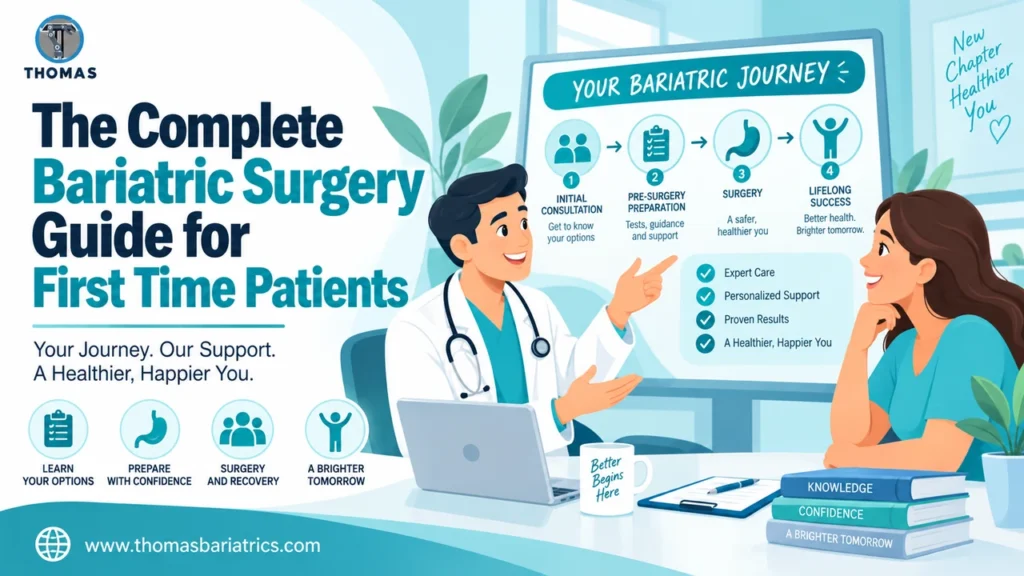
Deciding to undergo bariatric surgery is a life changing step toward improving your health, mobility, and quality of life. If you’re considering weight loss surgery for the first time, it’s natural to have questions about the process, recovery, expected results, and whether surgery is the right option for you.
This complete bariatric surgery guide explains everything you need to know before beginning your journey, helping you feel informed and confident about the road ahead.
What Is Bariatric Surgery?
Bariatric surgery, also known as weight loss surgery, includes several surgical procedures designed to help people with obesity lose weight by changing how much food the stomach can hold and, in some procedures, how the body absorbs nutrients.
These procedures are not cosmetic. They are medical treatments intended to help individuals with obesity reduce their risk of serious health conditions such as:
- Type 2 diabetes
- High blood pressure
- Sleep apnea
- Heart disease
- Fatty liver disease
- Joint pain
When combined with healthy eating, regular physical activity, and lifelong follow up, bariatric surgery can lead to significant and sustained weight loss.
Who May Qualify for Bariatric Surgery?
Eligibility is based on several medical factors rather than weight alone.
Many patients qualify if they have:
- A Body Mass Index (BMI) of 40 or higher
- A BMI of 35 or higher with obesity related health conditions such as diabetes or sleep apnea
- Difficulty achieving lasting weight loss through diet, exercise, and medical treatment
- A commitment to long term lifestyle changes and follow up care
Your bariatric surgeon will perform a comprehensive evaluation to determine whether surgery is appropriate for your individual health needs.
Common Types of Bariatric Surgery
The two most commonly performed procedures today are gastric sleeve surgery and gastric bypass surgery.
Gastric Sleeve Surgery
Also called sleeve gastrectomy, this procedure removes approximately 80 percent of the stomach, creating a smaller, sleeve shaped stomach.
Benefits include:
- Reduced hunger
- Smaller meal portions
- Significant long term weight loss
- Shorter operating time compared to some other procedures
Gastric sleeve is currently the most commonly performed bariatric procedure worldwide.
Gastric Bypass Surgery
Gastric bypass creates a small stomach pouch and reroutes part of the small intestine.
This procedure:
- Restricts food intake
- Changes digestive hormones
- Reduces calorie absorption
- Can provide excellent improvement in Type 2 diabetes
Because gastric bypass is more complex than sleeve surgery, your surgeon will recommend it only when it best fits your medical needs.
Preparing for Surgery
Preparation often begins several weeks before surgery.
Your care team may recommend:
- Medical evaluations
- Blood work and imaging
- Nutritional counseling
- Psychological assessment
- Lifestyle coaching
- A preoperative diet to reduce liver size
Some patients may also be asked to stop smoking and adjust certain medications before surgery.
Following these recommendations helps improve safety and recovery.
What Happens on Surgery Day?
Most bariatric procedures are performed laparoscopically using several small incisions rather than one large incision.
General steps include:
- Check in at the hospital
- Meet with your anesthesia and surgical team
- Undergo surgery, which typically lasts one to three hours depending on the procedure
- Recover in a monitored recovery area
- Stay in the hospital for one or two days in many uncomplicated cases, although individual recovery varies.
Recovery After Bariatric Surgery
Recovery continues long after leaving the hospital.
Most patients gradually progress through several dietary stages:
- Clear liquids
- Full liquids
- Pureed foods
- Soft foods
- Regular healthy meals
Walking is encouraged soon after surgery to promote circulation and reduce the risk of complications.
Most patients can return to desk work within a few weeks, depending on their procedure and recovery progress. Your surgeon will provide personalized activity guidelines.
Life After Bariatric Surgery
Surgery is a powerful tool, but long term success depends on healthy habits.
Patients are encouraged to:
- Eat protein first
- Stay hydrated
- Take recommended vitamin and mineral supplements
- Exercise regularly
- Attend scheduled follow up appointments
- Participate in support groups when available
Developing these habits helps maximize weight loss while supporting long term health.
Benefits Beyond Weight Loss
Many patients experience improvements that extend beyond the number on the scale.
Potential benefits include:
- Better blood sugar control
- Improved blood pressure
- Reduced sleep apnea symptoms
- Less joint pain
- Increased mobility
- Improved energy levels
- Enhanced quality of life
The degree of improvement varies from person to person and depends on overall health and adherence to recommended lifestyle changes.
Frequently Asked Questions
Is bariatric surgery safe?
Modern bariatric surgery is generally considered safe when performed by experienced bariatric surgeons at accredited centers. As with any surgery, risks exist, but advances in minimally invasive techniques have significantly improved safety.
How much weight can I lose?
Results vary based on the procedure and your commitment to long term lifestyle changes. Most patients experience significant weight loss during the first 12 to 18 months after surgery.
Will I need vitamins forever?
Many bariatric patients require lifelong vitamin and mineral supplementation, particularly after gastric bypass. Your healthcare team will monitor your nutritional status with regular follow up visits.
Take the First Step Toward Better Health
Beginning your bariatric journey can feel overwhelming, but you do not have to navigate it alone. Understanding your options, preparing for surgery, and committing to healthy lifestyle changes can help you achieve lasting weight loss and improved overall health.
Meeting with an experienced bariatric surgeon is the best way to determine which procedure is right for you and to develop a personalized treatment plan that supports your long term success.
Ready to take the next step toward lasting change?
Schedule a consultation with Thomas Bariatrics today and start your personalized path to better health.
Medical Disclaimer:
This content is for informational purposes only and does not constitute medical advice, diagnosis, or treatment. Always consult a qualified healthcare provider regarding any medical condition or treatment decisions. Individual results may vary.
About the Author

Dr. David Thomas
Bariatric Surgeon
Dr. Thomas, a skilled bariatric surgeon at Methodist Hospital Landmark Bariatrics and Weight Loss Center, treats obesity, GERD, hernias, and more with patient-focused care. Rated 4.9/5, he’s board-certified, a Fellow of ACS and ASMBS, and serves as Medical Director of the bariatric program. His multilingual staff ensures inclusive care, accepts most insurance plans, and welcomes new patients seeking expert surgical solutions for lasting health and wellness.

 Qubopro.com