
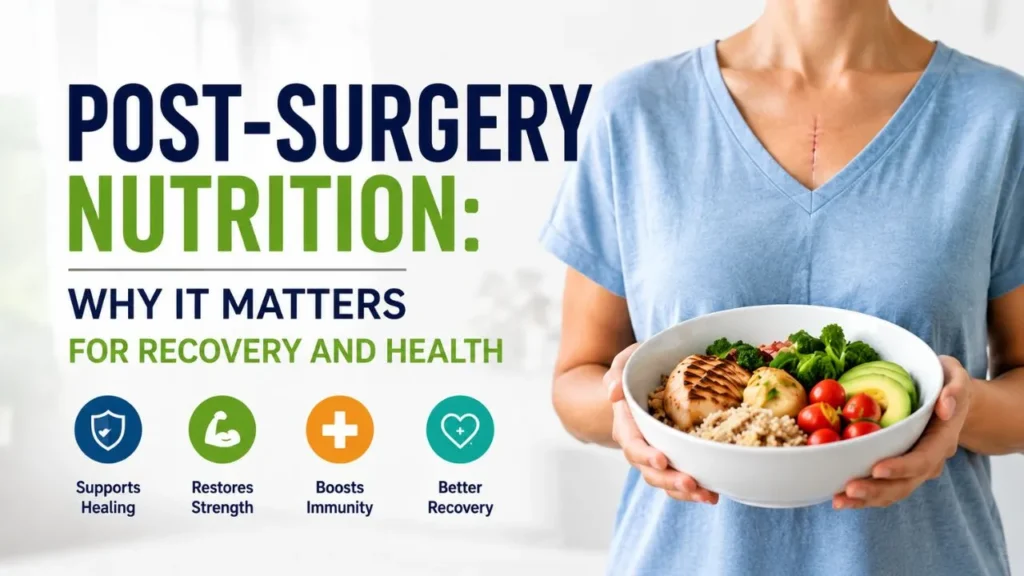
Recovering from surgery takes more than rest, medication, and follow-up appointments. Your body also needs the right fuel to repair tissue, rebuild strength, support immunity, and reduce the risk of recovery setbacks. That is why good nutrition for post-surgical patients is one of the most important parts of the healing process.
Whether someone has had general surgery, orthopedic surgery, cosmetic surgery, gastrointestinal surgery, or bariatric surgery, nutrition can directly affect wound healing, energy levels, muscle recovery, digestion, and overall surgical recovery.
A healthy post surgery diet does not have to be complicated. It simply needs to provide enough protein, calories, fluids, vitamins, and minerals to help the body heal properly.
What Is Post-Surgical Nutrition?
Post-surgical nutrition refers to the foods, fluids, and nutrients a patient needs after surgery to support healing and recovery. After an operation, the body enters a repair mode. It needs extra nutritional support to rebuild damaged tissue, close wounds, fight infection, and regain strength.
Healthy food choices may help recovery by providing the calories, vitamins, minerals, and protein needed for healing after surgery.
Important nutrients for surgical recovery include:
- Protein
- Healthy carbohydrates
- Healthy fats
- Vitamin C
- Vitamin A
- Zinc
- Iron
- Magnesium
- Fluids
- Fiber
- Electrolytes when needed
The exact diet depends on the type of surgery, medical history, appetite, digestive tolerance, and instructions from the surgeon or dietitian.
Why Nutrition Matters After Surgery
Surgery places physical stress on the body. Even when surgery goes well, the body still needs to repair tissues, manage inflammation, rebuild strength, and protect itself from infection.
Poor nutrition after surgery may slow recovery, weaken the immune system, increase fatigue, reduce muscle strength, delay wound healing, and make it harder to return to normal activities.
Good nutrition helps post-surgical patients by supporting:
- Faster wound healing
- Tissue repair
- Immune function
- Muscle recovery
- Energy production
- Healthy digestion
- Reduced risk of nutrient deficiencies
- Better overall recovery after surgery
Protein is especially important because the body needs it to build tissue and heal wounds. Memorial Sloan Kettering Cancer Center lists protein as a key nutrient for wound healing and includes foods such as chicken, fish, eggs, beans, tofu, yogurt, milk, nuts, and seeds as protein sources.
Protein Helps Repair Tissue and Heal Wounds
One of the most important nutrients after surgery is protein. During recovery, the body uses protein to repair skin, muscles, blood vessels, and other tissues affected by surgery.
A high-protein diet after surgery may help:
- Support wound healing
- Repair surgical incisions
- Reduce muscle loss
- Support immune defense
- Maintain strength during recovery
- Improve overall healing
Good protein sources after surgery include:
- Eggs
- Chicken
- Turkey
- Fish
- Lean meat
- Greek yogurt
- Cottage cheese
- Milk or soy milk
- Tofu
- Beans and lentils
- Chickpeas
- Nuts and seeds
- Protein shakes if recommended
Many hospital nutrition guides advise patients to include protein foods during recovery, especially while wounds are still healing. The Royal National Orthopaedic Hospital notes that patients may need extra protein while healing and lists lean meat, chicken, fish, eggs, tofu, beans, lentils, nuts, milk, cheese, and yogurt as high-protein options.
Calories Give the Body Energy to Heal
After surgery, some patients lose their appetite. Others may feel nauseous, tired, constipated, or uncomfortable eating. But eating too little can slow recovery because the body needs enough calories to power the healing process.
Calories from healthy foods help the body:
- Repair tissue
- Maintain energy
- Preserve muscle
- Support immune function
- Prevent weakness
- Handle the stress of recovery
Good calorie sources for post-surgical patients include:
- Whole grains
- Oatmeal
- Rice
- Potatoes
- Sweet potatoes
- Avocado
- Olive oil
- Nut butters
- Smoothies
- Yogurt
- Soups
- Protein-rich meals
Patients with limited appetite may do better with small, frequent meals instead of large meals. This can be especially helpful after abdominal surgery, gastrointestinal surgery, or bariatric surgery.
Vitamins and Minerals Support Wound Healing
Vitamins and minerals play a major role in recovery after surgery. They help the body form new tissue, support immune health, and repair wounds.
Vitamin C
Vitamin C supports collagen formation, which is important for skin and wound healing. Good sources include oranges, strawberries, kiwi, bell peppers, broccoli, and tomatoes.
Vitamin A
Vitamin A supports immune function and tissue repair. Food sources include carrots, sweet potatoes, spinach, kale, eggs, and dairy products.
Zinc
Zinc helps with wound healing and immune defense. Sources include meat, seafood, beans, nuts, seeds, and whole grains.
Iron
Iron supports healthy red blood cells and oxygen delivery, which is important during recovery. Sources include lean meat, eggs, beans, lentils, spinach, and fortified grains.
Magnesium
Magnesium helps with tissue repair and may support recovery. Memorial Sloan Kettering lists magnesium as a nutrient that helps heal broken tissue and reduce swelling.
A balanced post surgery nutrition plan should include a variety of colorful fruits, vegetables, lean proteins, whole grains, and healthy fats to provide these nutrients naturally.
Hydration Helps the Healing Process
Hydration is often overlooked after surgery, but it matters. Fluids help transport nutrients, support circulation, prevent dehydration, reduce constipation, and help the body function properly during recovery.
Dehydration after surgery may cause:
- Dizziness
- Fatigue
- Headaches
- Constipation
- Dark urine
- Dry mouth
- Slow recovery
Many wound-healing nutrition guides recommend adequate fluids during healing. South Tees Hospitals advises aiming for 6 to 8 glasses of fluid per day along with protein at each meal and fruits and vegetables daily.
Good hydration options include:
- Water
- Broth
- Herbal tea
- Low-sugar electrolyte drinks if recommended
- Milk or fortified dairy alternatives
- Smoothies
- Clear soups
Patients with heart failure, kidney disease, fluid restrictions, or bariatric surgery instructions should follow their provider’s specific hydration plan.
Fiber Supports Digestion After Surgery
Constipation is common after surgery, especially if patients are less active, eating less, taking pain medication, or drinking fewer fluids. Fiber can help support regular bowel movements and digestive comfort.
Good fiber sources include:
- Oatmeal
- Whole grain bread
- Brown rice
- Beans
- Lentils
- Apples
- Berries
- Pears
- Vegetables
- Chia seeds
- Flaxseeds
Fiber should be increased gradually, especially after abdominal or gastrointestinal surgery. Some patients may need a low-fiber diet temporarily depending on the type of procedure, so it is important to follow medical instructions.
Good Nutrition Supports the Immune System
After surgery, the immune system works hard to protect the body and prevent infection. Poor nutrition may weaken immune defense, while a nutrient-rich diet helps the body recover more effectively.
Nutrients that support immune health include:
- Protein
- Vitamin C
- Vitamin A
- Zinc
- Iron
- Vitamin D
- Omega-3 fats
- Antioxidants from fruits and vegetables
Post-surgical patients should focus on whole, nutrient-dense foods rather than highly processed foods that offer calories but very little healing value.
Nutrition Helps Preserve Muscle Strength
Many patients move less after surgery. Reduced activity, low appetite, and inadequate protein can contribute to muscle loss. This can make patients feel weaker and slow their return to daily activities.
Protein, calories, and gradual movement all help protect muscle during recovery. Once the surgeon clears activity, light walking and approved exercises may support strength, circulation, and mobility.
Good nutrition and safe movement work together. Food gives the body the building blocks, while activity helps the body regain function.
Best Foods for Post-Surgical Patients
A strong diet for recovery after surgery should focus on healing-friendly foods that are easy to tolerate and rich in nutrients.
Protein-Rich Foods
- Eggs
- Fish
- Chicken
- Turkey
- Lean meat
- Greek yogurt
- Cottage cheese
- Tofu
- Beans
- Lentils
- Protein shakes if approved
Fruits and Vegetables
- Berries
- Oranges
- Kiwi
- Apples
- Spinach
- Carrots
- Sweet potatoes
- Broccoli
- Bell peppers
Whole Grains and Energy Foods
- Oatmeal
- Brown rice
- Whole wheat toast
- Quinoa
- Potatoes
- Whole grain pasta
Healthy Fats
- Avocado
- Olive oil
- Nuts
- Seeds
- Nut butter
- Fatty fish
Easy-to-Eat Recovery Foods
- Soups
- Smoothies
- Yogurt
- Scrambled eggs
- Soft cooked vegetables
- Mashed sweet potatoes
- Protein oatmeal
- Cottage cheese
The best foods after surgery should be based on the patient’s procedure, tolerance, and medical instructions.
Foods to Limit After Surgery
Some foods may make recovery harder, especially if they cause inflammation, digestive discomfort, blood sugar spikes, or poor nutrition quality.
Post-surgical patients may need to limit:
- Fried foods
- Sugary drinks
- Candy and desserts
- Highly processed snacks
- Alcohol
- Excess sodium
- Greasy foods
- Low-protein junk foods
- Carbonated drinks if restricted
- Hard-to-digest foods after GI surgery
This does not mean every patient needs a perfect diet. The goal is to choose foods that help the body heal instead of foods that slow recovery.
Nutrition After Bariatric Surgery
Nutrition is especially important after bariatric surgery, including gastric sleeve surgery and gastric bypass surgery. Because these procedures change stomach size and sometimes nutrient absorption, patients must follow a specific bariatric nutrition plan.
After bariatric surgery, patients may need to focus on:
- Protein first
- Small portions
- Slow eating
- Hydration
- Bariatric vitamins
- Calcium
- Vitamin D
- Vitamin B12
- Iron
- Regular lab work
- Long-term follow-up care
Patients who have had bariatric surgery should not follow a general post-surgery diet without guidance. Their plan should come from their bariatric surgeon and registered dietitian.
What Happens If Post-Surgical Patients Do Not Eat Well?
Poor nutrition after surgery can affect recovery in several ways. If the body does not receive enough protein, calories, vitamins, minerals, and fluids, healing may slow down.
Possible effects of poor post-surgical nutrition include:
- Delayed wound healing
- Higher infection risk
- Fatigue
- Weakness
- Muscle loss
- Poor appetite
- Dehydration
- Constipation
- Nutrient deficiencies
- Longer recovery time
Not every patient will experience these issues, but nutrition is one of the most controllable factors in recovery.
Practical Nutrition Tips for Surgical Recovery
Here are simple ways to improve nutrition after surgery:
Eat Small, Frequent Meals
If appetite is low, try eating smaller meals every few hours instead of forcing large meals.
Add Protein to Every Meal
Include eggs, fish, chicken, yogurt, beans, tofu, or another protein source throughout the day.
Drink Fluids Consistently
Sip fluids regularly unless your doctor has given you a fluid restriction.
Choose Soft Foods If Needed
Soups, smoothies, yogurt, eggs, and soft cooked vegetables can be easier to tolerate.
Avoid Skipping Meals
Even if you are not very hungry, your body still needs fuel to heal.
Follow Your Surgeon’s Diet Instructions
Some surgeries require special diets, especially gastrointestinal, oral, bariatric, or abdominal procedures.
Ask About Supplements
Do not start supplements randomly. Ask your doctor or dietitian if you need protein powder, multivitamins, iron, vitamin D, B12, zinc, or other nutrients.
When to Speak With a Doctor or Dietitian
Post-surgical patients should contact their healthcare team if they experience:
- Inability to eat or drink
- Ongoing vomiting
- Severe nausea
- Signs of dehydration
- Unplanned rapid weight loss
- Wound problems
- Fever
- Diarrhea that does not improve
- Severe constipation
- Weakness or dizziness
- Difficulty meeting protein or fluid goals
A registered dietitian can help create a personalized post-surgical nutrition plan based on the type of surgery, medical conditions, medications, and recovery goals.
Final Thoughts
Good nutrition is important for post-surgical patients because the body needs fuel to heal. Protein helps repair tissue, calories provide energy, vitamins and minerals support wound healing, hydration protects normal body function, and fiber helps digestion.
A healthy post surgery diet can support wound healing, immune function, muscle recovery, energy levels, and overall recovery after surgery. The best approach is to eat nutrient-dense foods, follow the surgeon’s instructions, and ask for help if eating becomes difficult.
Healing takes time, but the right nutrition can give the body what it needs to recover stronger and healthier.
FAQs
1. Why is protein important after surgery?
Protein helps repair tissue, support wound healing, preserve muscle, and strengthen the immune system during recovery after surgery.
2. What are the best foods to eat after surgery?
Good foods after surgery include lean protein, eggs, fish, yogurt, beans, fruits, vegetables, whole grains, soups, smoothies, and healthy fats.
3. How does nutrition affect wound healing?
Nutrition provides the protein, calories, vitamins, minerals, and fluids needed to repair tissue and support wound healing. Healthy food choices may help the body recover after surgery.
4. What should post-surgical patients avoid eating?
Patients may need to limit fried foods, sugary drinks, alcohol, highly processed snacks, greasy foods, and foods that are difficult to digest. Restrictions depend on the type of surgery.
5. Is hydration important after surgery?
Yes. Hydration supports circulation, digestion, nutrient transport, and recovery. Many wound-healing guides recommend regular fluid intake unless a patient has medical fluid restrictions.
Ready to take the next step toward lasting change?
Schedule a consultation with Thomas Bariatrics today and start your personalized path to better health.
Medical Disclaimer:
This content is for informational purposes only and does not constitute medical advice, diagnosis, or treatment. Always consult a qualified healthcare provider regarding any medical condition or treatment decisions. Individual results may vary.


 Qubopro.com