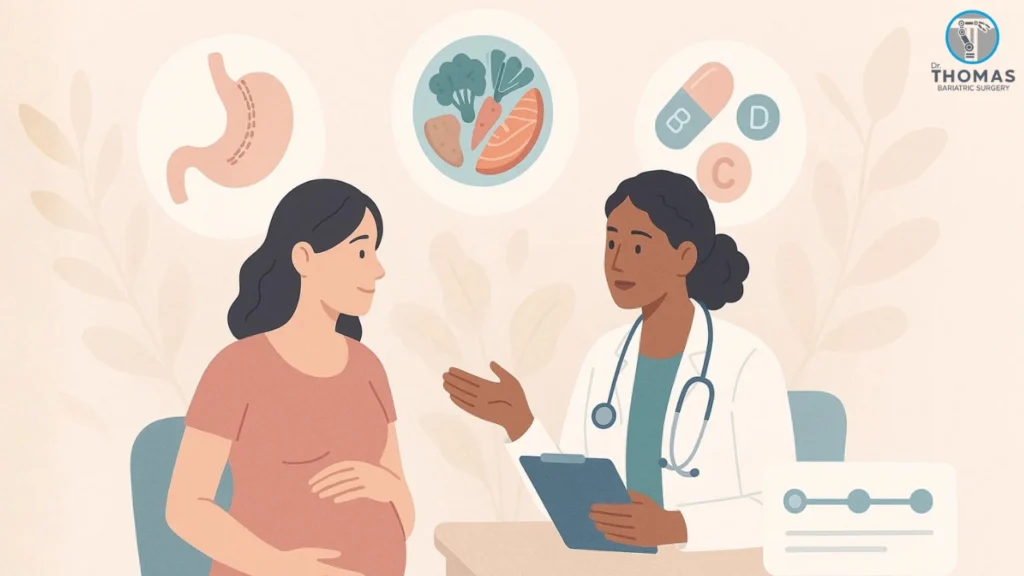
Pregnancy after bariatric surgery is one of the benefits of weight loss surgery. People who are of reproductive age and suffering from unhealthy weight can take the help of bariatric surgeries to have a healthy pregnancy.
Some risks and minor complications may occur during pregnancy after weight loss surgery. But if you consult with a specialist, you can easily make your pregnancy journey smooth and safe. But the whole process is smoother and preferred by specialists rather than having a pregnancy with weight-related health problems.
In this blog post we’ll try to understand some key facts that you need to consider white getting pregnant after weight loss surgery.
1. Losing weight can make you conceive faster and have a healthy pregnancy journey.
Being overweight really affects the fertility rate. Excessive unhealthy weight can cause a hormonal imbalance that makes ovulation less regular and increases the chances of conditions like polycystic ovary syndrome (PCOS). It can also raise the risk of other health problems, such as diabetes or metabolic syndrome. These problems can lead to lower the chances of getting pregnant.
But after weight loss surgery and complete guidance from a specialist, you can make your ovulation process more regular after having bariatric surgery. And after getting pregnant, it’s completely recommended to have a full nutritional diet. At Thomas Bariatrics, our consultants make a personalized diet plan that not only provides a nutritious diet for your pregnancy journey but also is healthier and supports your weight loss journey. Because during pregnancy, your baby needs nutritious food for healthier growth.
2. It’s Better to Wait to Get Pregnant
Before trying to get pregnant, people who have had bariatric surgery should talk to their medical team at Thomas Bariatrics to make sure their bodies are ready. We usually recommend waiting 18 to 24 months after weight-loss surgery before trying to conceive.
We know this wait can be difficult, especially for those who had bariatric surgery to improve fertility. However, it is worth it. Waiting allows your body to stabilize your weight and vitamin levels, which reduces the risk of complications during pregnancy. It also helps ensure healthy weight gain during pregnancy, which is important for the baby’s health. All of these steps support the well-being of both mother and child.
3. Don’t Try to Keep Losing Weight While You’re Pregnant
Patients should not try to restrict calories once they are pregnant because gaining weight is essential for a healthy pregnancy. This can be a big change for people who have recently had surgery, but it is crucial not to limit food intake — babies need nutrients to grow properly.
At Thomas Bariatrics, we work closely with our bariatric dietitians to make sure patients are making the best food choices to gain the weight they need safely during pregnancy.
The amount of weight to gain depends on pre-pregnancy weight. To set a healthy goal, it’s important to discuss your situation with both your bariatric surgeon and obstetrician.
4. Nutritional Risks After Bariatric Surgery
For patients who have become pregnant after bariatric surgery, not getting enough nutrients is usually the main concern. Surgery reduces the amount of food you can eat, and sometimes it also limits nutrient absorption. Morning sickness can make this even more challenging.
These factors can make it difficult to consume enough calories for healthy weight gain. They also increase the risk of deficiencies in nutrients important for pregnancy, such as protein, folate, iron, vitamin B12, calcium, and vitamin D.
At Thomas Bariatrics, we closely monitor our patients’ nutritional status with regular screenings. Ideally, this begins before pregnancy, but if not, we start at the first prenatal visit. Based on these screenings, the patient’s history, and their surgery type, we determine which supplements are necessary.
This usually includes prenatal vitamins and additional supplements for calcium, iron, folate, vitamin B12, and protein. Most patients can take these by mouth, but some may need iron intravenously. Our dietitians also guide patients on the right supplements and dietary strategies to meet their nutritional needs.
5. Most Patients Have Healthy Pregnancies and Smooth Deliveries
By addressing nutritional needs, most of our patients at Thomas Bariatrics go on to have healthy pregnancies and babies. Many experience vaginal deliveries without complications. Research on whether weight-loss surgery increases the likelihood of a C-section is mixed, and it may depend on factors like age and current weight.
We recommend discussing the possibility of a C-section with your obstetrician ahead of time. Reviewing your risk factors can give a clearer idea of what to expect during delivery.
6. Breastfeeding After Bariatric Surgery
Many pregnant patients ask whether they can breastfeed. At Thomas Bariatrics, we support breastfeeding, and generally, bariatric surgery does not affect the ability to nurse. However, taking supplements remains important to meet the higher nutritional demands while breastfeeding.
Find Help and Learn More
There are special considerations when getting pregnant after bariatric surgery, but with the right care, the risks can be managed. Make an appointment with the Thomas Bariatrics dietitian and medical team to receive guidance and support before, during, and after your pregnancy.


 Qubopro.com