Obesity has become a major health concern across the United States, including Texas. For individuals struggling with severe obesity and related health conditions, advanced surgical techniques now offer safer and more effective weight-loss solutions. One of the most innovative approaches available today is robotic bariatric surgery, particularly robot-assisted gastric bypass procedures.
In this article, we’ll explore how robotic gastric bypass procedures work, their benefits, and who may benefit the most from this advanced treatment.
Understanding Robotic Gastric Bypass Surgery
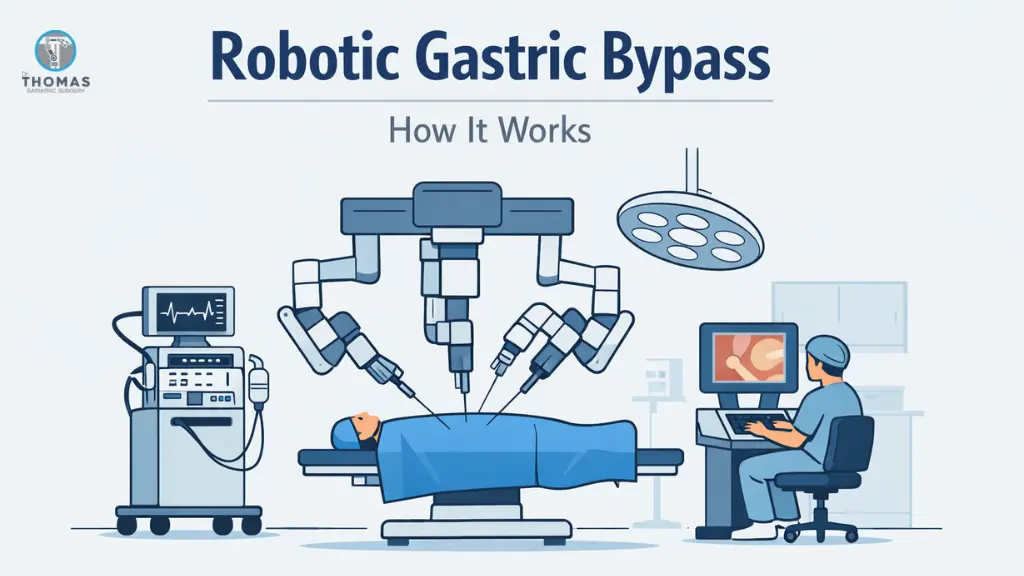
Robotic gastric bypass is a minimally invasive weight-loss surgery performed using advanced robotic technology. During the procedure, a surgeon controls robotic instruments through a console, allowing extremely precise movements and enhanced visualization inside the body.
Unlike traditional open surgery, robotic systems provide:
- A 3D high-definition view of the surgical area
- Highly flexible robotic arms that mimic the movement of a human wrist
- Greater control and accuracy during complex surgical steps
These features enable surgeons in Texas performing robotic bariatric surgery to operate with exceptional precision while minimizing trauma to surrounding tissues.
How Robotic Gastric Bypass Works
The procedure used in robot-assisted gastric bypass is typically the Roux-en-Y gastric bypass technique.
Here is a simplified step-by-step overview:
1. Creating a Small Stomach Pouch
The gastric bypass surgeon in Texas creates a small pouch from the upper portion of the stomach. This reduces the amount of food a patient can consume.
2. Bypassing Part of the Small Intestine
The surgeon then connects the new stomach pouch directly to a section of the small intestine, bypassing part of the digestive tract.
3. Limiting Calories and Nutrient Absorption
Because food skips part of the stomach and intestine, the body absorbs fewer calories and nutrients, which helps promote weight loss.
This combination of reduced stomach capacity and limited calorie absorption makes gastric bypass procedures one of the most effective surgical treatments for severe obesity.
Advantages of Robotic Bariatric Surgery
The use of robotic technology has significantly improved outcomes for many bariatric procedures. Compared with traditional methods, robotic gastric bypass offers several advantages.
Greater Surgical Precision
Robotic systems enable surgeons to perform delicate movements with greater accuracy, reducing complications.
Smaller Incisions
Most robotic bariatric surgery procedures in Texas are minimally invasive, resulting in smaller incisions and less visible scarring.
Less Blood Loss
Improved surgical precision can help reduce bleeding and tissue damage.
Faster Recovery
Patients often experience shorter hospital stays and a quicker return to normal activities than with traditional surgery.
Lower Risk of Complications
Studies show that robotic techniques can reduce the risk of complications, such as infections and surgical errors.
Because of these benefits, more surgeons in Texas are adopting robot-assisted gastric bypass technology for complex weight-loss procedures.
Who Is a Good Candidate for Robotic Gastric Bypass?
Not everyone struggling with weight is eligible for surgery. Bariatric specialists typically evaluate several factors before recommending gastric bypass texas treatment.
Severe Obesity (High BMI)
Most candidates have:
- A BMI of 40 or higher, or
- A BMI of 35 or higher with obesity-related health conditions such as diabetes or high blood pressure.
Obesity-Related Health Conditions
Many patients choose robotic gastric bypass texas procedures to improve or resolve medical conditions such as:
- Type 2 diabetes
- Sleep apnea
- High cholesterol
- Heart disease
- High blood pressure
Weight-loss surgery can significantly improve these conditions and enhance overall quality of life.
Failed Non-Surgical Weight Loss Attempts
Patients usually qualify for surgery after multiple attempts at diet, exercise, or medical weight-loss programs have not produced long-term results.
Commitment to Lifestyle Changes
After surgery, patients must follow long-term lifestyle changes, including:
- Healthy diet
- Regular exercise
- Ongoing medical follow-up
These habits are essential for achieving lasting results after robotic bariatric surgery in Texas.
Who Benefits the Most from Robotic Gastric Bypass?
While many patients can benefit from bariatric surgery, certain groups may benefit most from robot-assisted gastric bypass procedures.
Patients with Very High BMI
Robotic systems offer improved control during complex operations, which can be particularly beneficial for individuals with severe obesity.
Patients Requiring Revisional Surgery
Robotic technology is often useful for correcting or revising prior bariatric surgeries.
Patients Seeking Minimally Invasive Options
People who want smaller incisions, reduced pain, and quicker recovery times may prefer robotic gastric bypass procedures in Texas.
Recovery After Robotic Gastric Bypass
Recovery from robotic gastric bypass surgery is typically faster than traditional open surgery.
Most patients can expect:
- Hospital stay of 1–2 days
- Gradual transition from liquid to solid foods
- Return to normal activities within 2–4 weeks.
Weight loss usually begins quickly after surgery, with many patients losing a significant portion of excess weight within the first year.
However, long-term success depends on maintaining healthy eating habits and consistent follow-up with a gastric bypass surgeon in Texas.
Final Thoughts
Advances in surgical technology are transforming the way obesity is treated. Robot-assisted gastric bypass procedures combine the proven effectiveness of gastric bypass with the precision of robotic systems.
For many patients, robotic gastric bypass in Texas offers:
- Improved surgical accuracy
- Faster recovery
- Reduced complications
- Long-term weight-loss success
If traditional weight-loss methods have not worked, consulting an experienced gastric bypass surgeon in Texas can help determine whether robotic bariatric surgery in Texas is the right option for achieving lasting health improvements.
Ready to take the next step toward lasting change?
Schedule a consultation with Thomas Bariatrics today and start your personalized path to better health.
Medical Disclaimer:
This content is for informational purposes only and does not constitute medical advice, diagnosis, or treatment. Always consult a qualified healthcare provider regarding any medical condition or treatment decisions. Individual results may vary.


 Qubopro.com